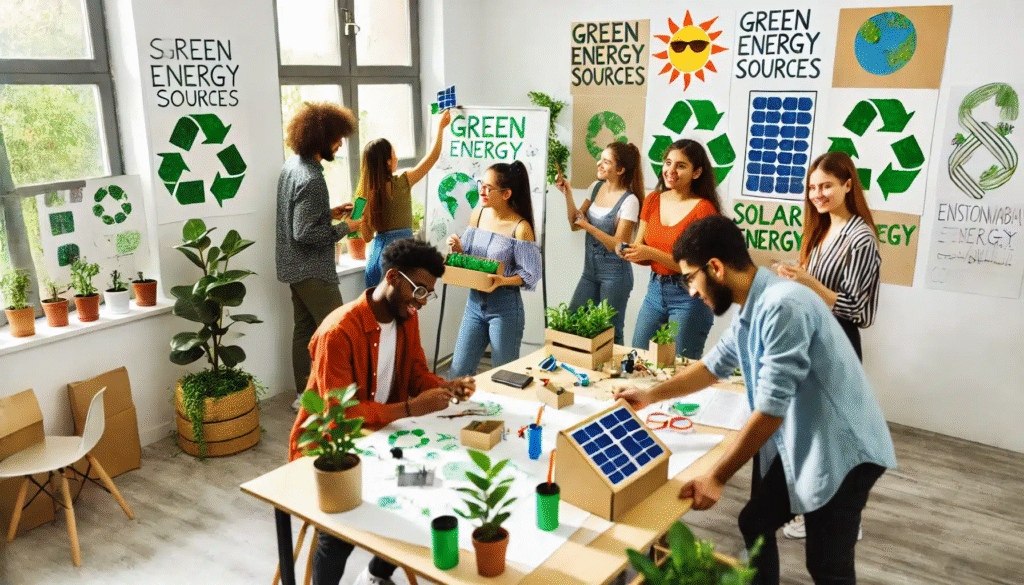
Starting and growing a business today is no longer just about profit. Entrepreneurs are increasingly focused on sustainability, creativity, and long-term impact. Whether you are planning an eco-conscious construction company or launching a creative venture like a floral enterprise, success depends on thoughtful planning, responsible spending, and clear financial direction.
In this article, we explore how smart decision-making, sustainability, and careful budgeting can help modern businesses grow steadily while staying aligned with ethical and environmental values.
Why Financial Planning Matters from Day One
Every successful business starts with a clear understanding of money. Without proper planning, even the most innovative idea can struggle to survive. This is why seeking reliable financial advice early on is critical for entrepreneurs who want stability and growth.
Sound financial planning helps business owners:
- Set realistic startup and operating budgets
- Manage cash flow efficiently
- Prepare for unexpected expenses
- Make informed investment decisions
For green and creative industries, financial planning is even more important because initial costs can sometimes be higher due to sustainable materials or specialized skills. However, these investments often pay off in the long run through efficiency, customer trust, and brand loyalty.
The Rise of the Eco-Friendly Building Business
Sustainability has become a key driver in the construction industry. An eco-friendly building business focuses on reducing environmental impact while delivering durable and efficient structures. This includes using renewable materials, minimizing waste, and designing energy-efficient buildings.
Key elements of a green building approach include:
- Environmentally responsible materials
- Energy-saving designs and technologies
- Efficient water usage systems
- Reduced carbon footprint during construction
While eco-friendly methods may require higher upfront costs, they often lead to lower operating expenses over time. Proper financial planning helps balance these costs and ensures the business remains profitable while staying environmentally responsible.
Budgeting for Sustainable Construction
One of the biggest challenges in green construction is cost management. Sustainable materials and technologies can be more expensive initially, but they add long-term value. Careful budgeting allows businesses to prioritize essential investments without overspending.
A structured budget should account for:
- Material sourcing and supplier reliability
- Skilled labor and training
- Equipment and maintenance
- Compliance with environmental standards
With clear financial goals, eco-conscious builders can grow steadily and compete effectively in a market that increasingly values sustainability.
Creative Entrepreneurship and the Floral Business
Creative industries also benefit greatly from thoughtful planning. A floral business, for example, combines artistry with logistics, seasonality, and customer preferences. Whether operating online, from a studio, or through events, florists must manage inventory carefully to avoid waste and maintain profitability.
Important considerations for a floral enterprise include:
- Seasonal availability of flowers
- Storage and preservation costs
- Pricing strategies for different occasions
- Balancing creativity with commercial demand
Flowers are perishable, which makes financial discipline especially important. Smart purchasing decisions and pricing strategies help minimize losses and maximize margins.
Sustainability in Creative Businesses
Many floral entrepreneurs are now adopting eco-conscious practices, such as:
- Sourcing locally grown flowers
- Reducing plastic packaging
- Composting organic waste
- Using reusable or biodegradable materials
These practices not only reduce environmental impact but also appeal to modern consumers who value sustainability. While some changes may increase short-term costs, they often strengthen brand reputation and customer loyalty over time.
Connecting Finance, Sustainability, and Growth
Whether in construction or creative fields, long-term success depends on aligning financial strategy with business values. Entrepreneurs who plan carefully can reinvest profits, scale operations responsibly, and adapt to market changes without unnecessary risk.
Key habits of financially healthy businesses include:
- Regularly reviewing expenses and income
- Adjusting pricing based on market trends
- Planning for slow seasons or economic shifts
- Investing in efficiency rather than excess
These habits help businesses stay resilient, even in competitive or uncertain environments.
Planning for the Future
A sustainable business is not built overnight. It grows through consistent effort, informed decisions, and adaptability. Entrepreneurs who focus on long-term planning rather than short-term gains are more likely to achieve stability and recognition in their industries.
By combining thoughtful financial planning with environmentally and socially responsible practices, business owners can create ventures that are both profitable and meaningful. Whether constructing greener buildings or designing beautiful floral arrangements, the right balance of creativity, sustainability, and financial discipline lays the foundation for lasting success.