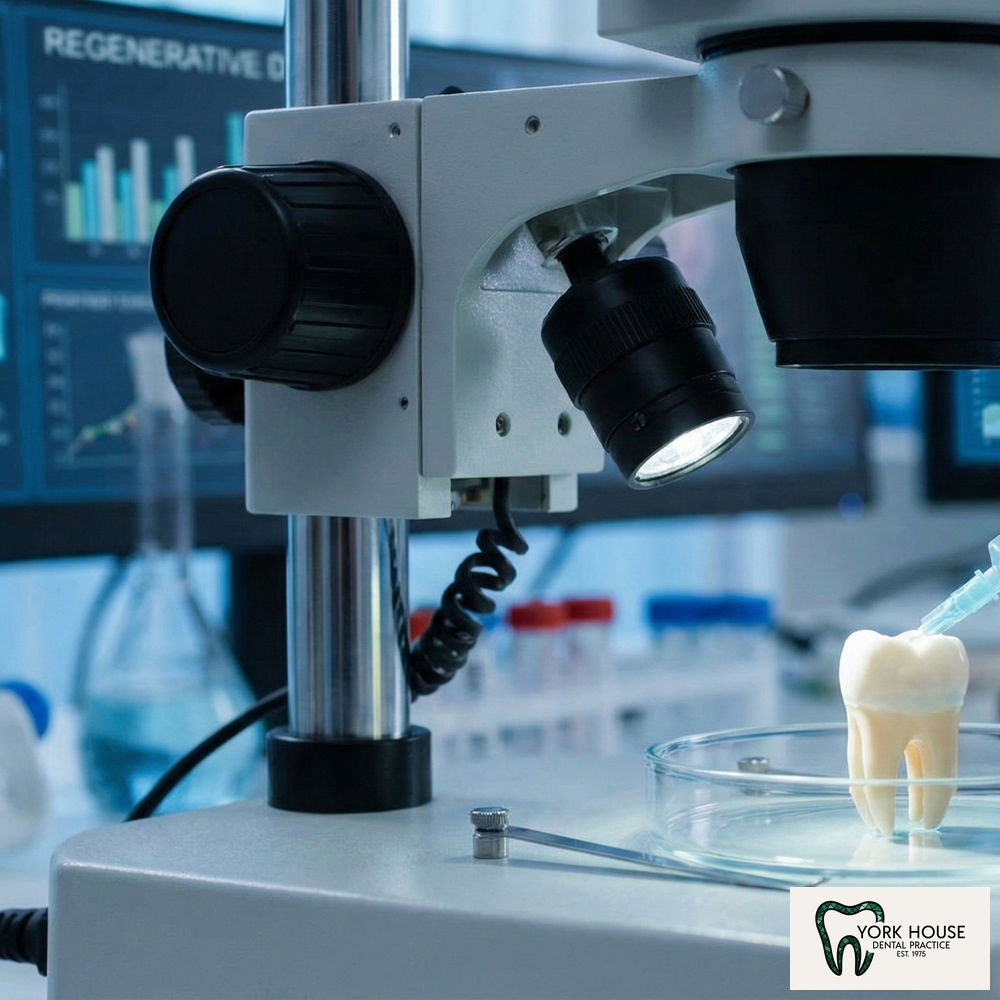
A novel protein-based gel developed by researchers in the United Kingdom has shown promising results in promoting the natural regeneration of dental enamel, a development that could significantly change preventive and restorative dental care. The innovation, rooted in biomaterials science, replicates the way enamel forms naturally during early tooth development and may offer a durable, non-invasive alternative to traditional dental materials and treatments.

Enamel — the hard outer layer of teeth — is the body’s most mineralised tissue. Once lost through decay, erosion or physical wear, it does not regenerate naturally, leaving teeth vulnerable to cavities, sensitivity and structural weakening. Current dental practice typically relies on synthetic materials and mechanical restorations to rebuild damaged surfaces. However, this new gel represents a shift from repair toward true biological regeneration of enamel, by leveraging the body’s natural mineralisation processes.
How the Protein-Based Gel Works
The gel developed by scientists at the University of Nottingham and international partners mimics the proteins involved in enamel formation during infancy. When applied to a damaged tooth surface, it forms a bio-interactive scaffold that attracts calcium and phosphate ions from saliva — essential building blocks of enamel. This scaffold effectively guides the organised growth of new crystalline mineral structures that mirror natural enamel’s architecture.

Unlike traditional fluoride treatments, which mainly strengthen existing enamel and slow decay, this protein-inspired gel actively promotes regrowth of lost enamel tissue, even filling microscopic cracks and imperceptible structural gaps. Early studies have shown that the restored layer exhibits comparable hardness and resistance to wear under normal chewing and brushing conditions, reinforcing its potential as a clinically transformative technology.
Clinical Implications for Dental Care
The advent of an enamel-regenerating gel stands to influence how routine dental care is delivered. For general dental practitioners, such technology could reduce reliance on drills, fillings, and other mechanical restorative approaches — especially for early caries (cavity) lesions where enamel deterioration is minor or moderate. This would not only preserve more of the patient’s natural tooth structure but also lower the likelihood of repeated restoration cycles over a lifetime.

This new approach aligns well with the broader trend toward biomimetic dentistry, which seeks to repair and strengthen oral tissues using materials and techniques that behave like biological tissues themselves. If successfully translated into consumer-friendly products — such as professional clinic gels or patient-applied formulations — the clinical shift could favour minimally invasive dentistry across practices.
Patient Experience and Preventive Health
For patients, a gel that regenerates enamel naturally could improve both outcomes and comfort. Enamel loss often leads to increased sensitivity and a higher risk of decay, prompting more frequent appointments and restorative work. A regenerative gel might reduce such cycles, decreasing cumulative treatment time and cost for many individuals.
In preventive care, dental practitioners could choose the protein-based gel as part of routine check-ups to strengthen compromised areas before overt cavities develop. This would particularly benefit individuals with high caries risk, enamel hypoplasia (underdeveloped enamel), or those experiencing early enamel erosion due to acidic diets.
Integration With Broader Dental Services
As dental care evolves with such innovations, practices focused on comprehensive, cutting-edge care — including clinics considered among the best dentist in Surrey — may integrate enamel-regenerative gels into their preventive and restorative protocols. These clinics could lead adoption while educating patients about enamel regeneration’s role in oral health and the difference between traditional treatments and biomimetic solutions.

Such integration also highlights the importance of access to diverse dental services. Patients seeking other advanced dental options — such as clear aligner therapy with Invisalign West Byfleet — increasingly expect practices to offer a broad suite of modern, patient-friendly treatments. Incorporating enamel regeneration gels alongside cosmetic and orthodontic services strengthens preventive care pathways and supports overall oral health longevity.
Training and Adoption Challenges
Despite its promise, bringing this enamel-regenerating gel into widespread clinical use will require careful development. Dental professionals must understand the material’s properties, indications and limitations, and manufacturers must ensure consistent quality and safety.
Professional dental education will likely adapt, adding training modules on advanced biomaterials and their place in clinical workflows. Dental regulatory bodies will evaluate how new restorative products such as this gel fit within existing practice standards, including safety profiles and clinical efficacy data from ongoing trials.
Implications for Health Systems and Infrastructure
As this and other biomimetic therapies advance, healthcare systems and dental practices must also prepare the necessary infrastructure for delivery. In larger healthcare environments, parallels can be drawn to how hospital furniture and clinical equipment investments support broader medical care: ergonomic chairs, specialised lighting, and instrument sets all contribute to efficiency and patient comfort. Similarly, dental practices may need to update clinical environments to accommodate new materials, training spaces and patient education resources as part of long-term care strategies.

Although basic enamel maintenance is part of routine dentistry, the widespread adoption of regenerative gels could shift procedural workflows. Dental surgeries may require new sterilisation protocols, dedicated treatment areas, and updated clinical guidelines — not just for routine prophylaxis but for selective enamel regeneration procedures integrated into standard check-ups and caries management plans.
Looking Ahead: Research and Commercialisation
The underlying science behind the protein gel is grounded in biomimetic principles that have been validated in laboratory studies and early trials. The Nottingham research team’s work, published in Nature Communications, has shown that the bioinspired matrix can replicate the structural complexity of natural enamel and deliver strength comparable to original tissue.
Moving from bench to clinic will require additional testing in controlled clinical environments to verify long-term performance and determine optimal application protocols. Commercial development efforts aim to bring user-friendly products to market — potentially as professional dental products applied by clinicians, or even versions that patients can use as part of daily oral care.
As these next steps unfold, dental professionals and oral health advocates are watching closely. A successful translation of this biology-inspired treatment could shift industry expectations about what is possible in preventative and restorative dentistry — framing future care standards around regeneration rather than replacement.
Conclusion
The development of a protein-based gel that mimics natural enamel formation represents a promising advancement in dental science. By encouraging the deposition of minerals in an organised and functional form, this innovation could transform how clinicians address early enamel damage and strengthen preventive care across practices.

For patients, this breakthrough offers the potential for less invasive treatments and enhanced tooth preservation. For dental professionals, especially those recognised as the best dentist in Surrey or offering advanced services such as Invisalign West Byfleet, integrating such technologies may become a distinguishing component of comprehensive care. As research progresses and clinical adoption grows, the future of tooth repair and preventive dentistry looks increasingly regenerative.